Bulgaria Flag SVG: Graphics for Crafts & Content Publishing
As a blog designer who’s built over 200 editorial sites and managed visual assets for digital publishers across travel, education, culture, and affiliate niches, I opened the Bulgaria Flag SVG ZIP file with a very specific question in mind: *Does this graphic design asset elevate real content — or just sit quietly in a folder?*
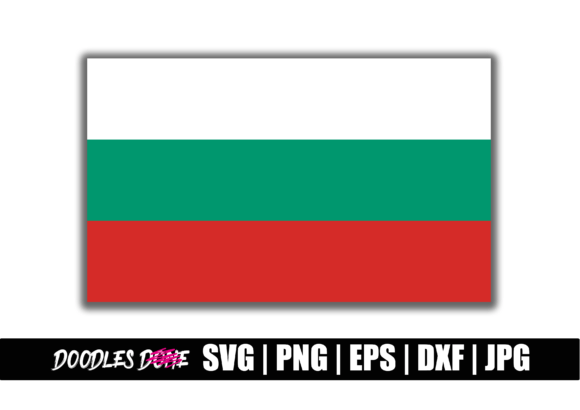
First impression? Clean, precise, and immediately trustworthy. The flag renders with crisp geometry — the white, green, and red bands balanced with subtle tonal depth and clean vector edges. It doesn’t shout; it anchors. That makes it unusually versatile for editorial design: not overly patriotic, not cartoonish, not minimalist to the point of abstraction. It reads as authentic, respectful, and quietly confident — ideal for lifestyle blogs covering Balkan travel, cultural education, language learning, EU-focused newsletters, or heritage-themed digital guides.
This isn’t a decorative flourish. It’s a functional piece of visual communication. When readers see the Bulgaria Flag SVG in a blog header or Pinterest pin, they register context instantly — geography, identity, cultural relevance — without needing text. That’s visual hierarchy working *for* you, not against it. In a crowded feed, that clarity boosts click-through potential. In a digital guide about Eastern European festivals, it builds reader trust by signaling accuracy and care.
You’ll receive five production-ready files: an editable SVG (ideal for responsive web design), a high-res PNG (perfect for social media graphics and newsletter banners), an EPS (for print-ready layouts or Canva template customization), a DXF (useful for craft-based digital products like laser-cut kits or embroidery patterns), and a JPG (for quick CMS uploads where transparency isn’t needed). All are 300dpi, transparent where appropriate, and pre-zipped for instant deployment — no hunting through nested folders or converting on the fly.
In real publishing workflows, this Bulgaria Flag SVG shines brightest where visual intention meets practical function. Use it as the central motif in a travel blog’s featured image — layered behind bold serif headlines for a polished magazine feel. Drop it into a Pinterest pin for a “Top 10 Bulgarian Recipes” roundup: its strong color contrast ensures visibility even at thumbnail size. Embed it in a digital guide’s chapter divider or as a subtle watermark on a downloadable worksheet about Balkan history. It works beautifully as a category thumbnail for a “Countries of the EU” series or as a branded accent in a media kit for a cultural podcast.
For newsletter creators, try it as a header graphic above a seasonal update — say, Sofia’s spring festivals or Thracian heritage month. Its clean lines pair effortlessly with both modern sans-serif bodies and elegant display fonts. Small business owners building a boutique travel agency site can use the SVG version in their website header, scaling flawlessly across devices while reinforcing regional expertise. Affiliate marketers covering Balkan gear, language apps, or EU travel insurance benefit from the instant credibility this asset lends — no stock-photo fatigue, no generic globe icons.
Where does it deliver measurable performance lift? Three places stand out: hero images (adds geographic specificity without clutter), Pinterest pins (high-contrast colors stop scrollers), and content upgrades like printable checklists or cultural cheat sheets (where authenticity = perceived value). It strengthens brand identity not through repetition alone, but through consistent, intelligent application — think of it as a quiet pillar in your design assets library.
That said, thoughtful placement matters. Avoid using the Bulgaria Flag SVG as a tiny mobile thumbnail next to dense text — its detail softens at under 60px. Steer clear in text-heavy blog graphics where it competes for attention instead of supporting meaning. On low-contrast backgrounds (e.g., light gray or beige), test readability carefully — especially if pairing with light-colored typography. In strictly corporate or legal publishing contexts, its warmth may feel slightly too approachable; reserve it for human-centered, story-driven, or educational content marketing.
Before publishing, run these practical checks: preview the SVG inside your actual blog layout (not just a blank browser tab); test how the PNG looks as a Facebook link preview; open the JPG in your CMS to confirm upload speed; place the flag beside your most-used fonts — serif, sans, script, handwritten — and note how each pairing shifts tone; convert it to grayscale to assess structural strength; and always verify the commercial license covers monetized uses — yes, including affiliate pages, paid digital products, and ad-supported newsletters.
For creative entrepreneurs launching a digital download store, this Bulgaria Flag SVG is more than decoration — it’s a ready-made element for Canva templates, printable designs, or themed resource bundles. Educators building digital guides on European geography will appreciate how quickly it conveys location and context. Bloggers curating roundups on Balkan crafts or folk art find it indispensable as a unifying visual thread — especially since the DXF and EPS files support physical product extensions (think: SVG-cut greeting cards or embroidered patches).
What sets this apart from generic flag assets is its editorial readiness. It’s not just technically sound — it’s *context-aware*. It supports storytelling, not just labeling. Whether you’re designing a lead magnet on Bulgarian wine regions or crafting a social media graphic for a virtual cultural exchange, the Bulgaria Flag SVG helps your content look intentional, credible, and visually cohesive — without demanding hours of custom illustration time.
If your content lives at the intersection of culture, education, travel, or creative entrepreneurship, this graphic design asset earns its place in your workflow. It’s not flashy — and that’s its power. In an ecosystem flooded with noisy visuals, the Bulgaria Flag SVG delivers calm authority, precise communication, and quiet professionalism. And for bloggers, publishers, and digital creators who know that great editorial design is measured in engagement, trust, and shareability — that’s exactly what you need.