Australia Ripped Flag PNG: Graphics for Crafts & Commercial Use
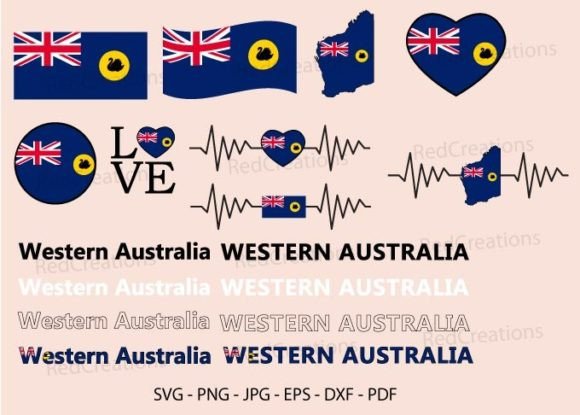
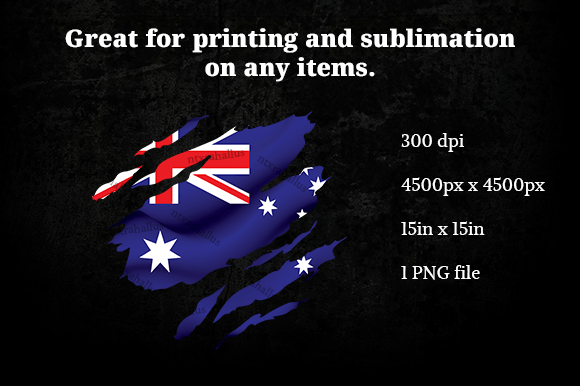
As someone who’s launched over 200 digital product listings across Etsy, Creative Market, and Shopify—and scaled three print-on-demand shops—I opened Australia Ripped Flag PNG expecting a standard flag clipart. Instead, I got something with real visual texture and intentional imperfection: a watercolor-style Australian flag, deliberately torn at the edges, rendered with soft pigment bleed and crisp transparency. It doesn’t scream “national pride” in a stiff, vector-perfect way. It whispers “authentic, handmade, expressive”—a mood that lands especially well with indie crafters, baby apparel sellers, and lifestyle brands building warm, human-centered collections.
This isn’t a bold, metallic foil-style flag or a minimalist line-art version. Its personality is playful yet grounded—slightly nostalgic, lightly rebellious, and undeniably tactile. That makes it ideal for audiences drawn to artisanal aesthetics: think organic cotton onesies, ceramic mug wraps for Melbourne cafés, or sublimation-ready tumblers sold through Redbubble or Printful. It leans into *craft* without sacrificing commercial versatility—especially when paired with neutral palettes or earthy typography.
In my latest Etsy shop refresh—a seasonal “Down Under Summer” collection—I tested Australia Ripped Flag PNG across six real-world use cases before publishing:
- SVG t-shirt design: Converted cleanly to vector (after minor path cleanup), cut precisely on Cricut Maker for heat-transfer vinyl. Held detail well even at 8” width.
- Sublimation mug wrap: Scaled to fit standard 11oz ceramic mugs—no pixelation, no banding. The watercolor grain softened beautifully during heat press, giving a premium hand-painted look.
- Printable wall art bundle: Paired with vintage-inspired botanical borders and serif captions. Printed on matte cardstock at 300 DPI—colors stayed vibrant, edges remained soft but defined.
- Canva template pack: Added as a drag-and-drop element in editable social media post templates. Works seamlessly with Canva’s background remover and layer blending modes.
- Digital sticker sheet: Grouped with other Aussie-themed elements (kangaroo silhouettes, eucalyptus sprigs) for a themed planner sticker set. Transparency held perfectly; no haloing on light or dark app backgrounds.
- Product mockup overlay: Used in Placeit mockups for t-shirts, tote bags, and baby rompers. Its organic shape created natural visual hierarchy—drawing eyes before text or logos.
Where this graphic design asset shines most is in presentation. On Etsy, thumbnails dominate first impressions—and Australia Ripped Flag PNG delivers strong thumbnail appeal. Its contrast, color saturation, and distinctive rip create instant recognition at small sizes. When layered over neutral mockups, it communicates “Australian-made” or “Aussie-themed” without needing text. That builds trust faster than generic clipart. It also supports brand consistency across listings: using the same flag across greeting cards, nursery prints, and coaster designs tells customers you’re intentional—not just sourcing random assets.
It performs best in contexts where texture and authenticity elevate perceived value: large-format printable art, themed digital download bundles (e.g., “Aussie Baby Bundle”), social media graphics for travel bloggers, packaging design for small-batch soap makers, and seasonal Canva templates for Aussie Day promotions. Its watercolor character adds warmth to otherwise flat layouts—making it a smart choice for handmade business branding or small business marketing kits.
That said, it’s not universally plug-and-play. Avoid using Australia Ripped Flag PNG in tiny sticker details (under 1cm), where the rip texture blurs into noise. Skip overly complex scrapbooking layouts with 12+ overlapping layers—the soft edges can visually compete. Don’t place it directly on dark backgrounds without testing contrast first; some watercolor pigments fade near black. And if your Cricut project requires ultra-sharp cut lines (e.g., intricate iron-on decals), verify SVG conversion quality—some watercolor raster-to-vector tools oversimplify the tear edges.
Before listing anything commercially, I always run these five practical checks:
- Mockup test: Drop it into at least three real product mockups (t-shirt, mug, tote bag) and view them on mobile—does it scale cleanly? Does the rip read as intentional, not broken?
- Thumbnail scan: Shrink your listing image to 150px wide. Can you still identify the flag and its ripped character? If not, adjust placement or add subtle drop shadow.
- Background check: Preview on white, black, and kraft paper mockups. Does transparency hold? Any faint edge halos?
- Print verification: Order a physical proof from your POD partner. Check color fidelity, bleed control, and how the watercolor grain translates under heat transfer.
- Licensing confirmation: Re-read the commercial license. Does it cover resale of finished products (yes, for most reputable sellers)? Does it restrict use in subscription services or SaaS templates? Document it.
I also organize files clearly for buyers: one high-res PNG (300 DPI, 4000px longest edge), one optimized SVG (clean paths, labeled layers), and a PDF usage guide noting compatible fonts—serif for elegance (Playfair Display), sans serif for modernity (Inter), script for playfulness (Dancing Script), handwritten for intimacy (Caveat), and display for impact (Bebas Neue). Pairing Australia Ripped Flag PNG with thoughtful typography reinforces professionalism, especially in Canva template shops or digital paper packs.
Bottom line: Australia Ripped Flag PNG isn’t just another clipart file. It’s a considered graphic design asset—one that bridges craft sensibility and commercial readiness. For Etsy sellers building themed collections, Cricut users launching new SVG products, Canva template creators expanding their regional offerings, or print-on-demand brands targeting Australian markets, it adds texture, story, and quiet confidence. Just treat it like the intentional tool it is—not filler, but foundation.