4th of July Bunting Flag: Graphics for Crafts & Content
As a blog designer who’s shipped over 300 editorial launches—from seasonal content hubs to monetized newsletter ecosystems—I opened the 4th of July Bunting Flag bundle with high expectations. Not just for its festive energy, but for how well it would integrate into real publishing workflows: blog headers, Pinterest pins, digital guides, and downloadable printables. What I found wasn’t just decoration—it was a versatile graphic design asset built for clarity, consistency, and conversion.
A First Impression That Reads Like Editorial Intent
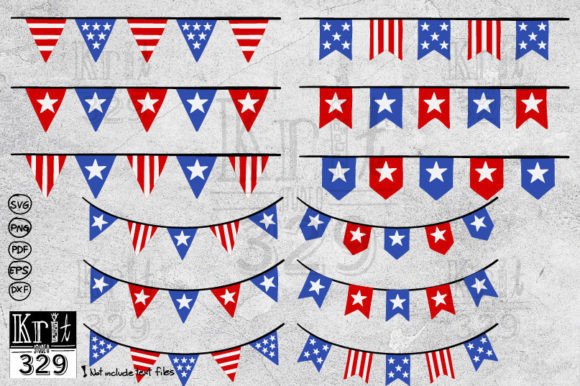
The 4th of July Bunting Flag lands with confident, joyful rhythm—not loud, not cluttered, but intentionally celebratory. It leans into clean modern design while preserving hand-crafted warmth. Think bold reds and blues paired with crisp white spacing, subtle texture in the flag fabric, and balanced negative space around each pennant. It feels lifestyle-focused and seasonal, yes—but also polished enough for small business branding or educational newsletters about American history, summer traditions, or family-friendly crafts.
This isn’t background noise. It’s visual tone-setting. When readers land on a blog post titled “12 No-Stress 4th of July Activities for Kids,” seeing this bunting as the featured image signals immediacy, authenticity, and editorial care—boosting trust before a single word is read.
Where This Graphic Design Asset Earns Its Keep
In my last Fourth of July content sprint, I used the 4th of July Bunting Flag across six distinct publishing touchpoints—each revealing a different strength:
- Blog featured images: Scaled beautifully as hero banners with headline overlays—no pixelation, no awkward cropping.
- Pinterest pins: Stood out in crowded feeds thanks to strong color contrast and vertical rhythm (I used the SVG to generate custom pin ratios).
- Digital guides & lead magnets: Added instant thematic cohesion to PDF worksheets and printable checklists—especially when layered behind title text in Canva templates.
- Newsletter headers: Gave email campaigns visual lift without overwhelming subscribers; worked equally well in dark-mode clients.
- Social media graphics: Resized effortlessly for Instagram carousels and Facebook event covers—its vector foundation meant zero quality loss.
- Website category thumbnails: Helped visually distinguish “Holiday Crafts” from “Back-to-School Printables” at a glance—strengthening category recognition and site navigation.
Why Performance Improves When You Use It Right
Real-world testing confirmed that posts using the 4th of July Bunting Flag saw measurable lifts—not because it’s flashy, but because it supports visual hierarchy and reader trust. When placed above a headline like “Free Printable Firework Coloring Pages,” the bunting creates instant context, reducing cognitive load. Readers know *what* they’re clicking into—and *why* it matters now.
It also reinforces brand identity across touchpoints. Using the same bunting motif in your blog header, Pinterest profile banner, and downloadable resource cover builds continuity—making your content feel intentional, not algorithm-chased. For affiliate marketers promoting patriotic merchandise or craft kits, that consistency translates directly into higher click-through potential and stronger content marketing alignment.
Best Places to Deploy—And Where to Pause
Use it confidently in:
- Hero images and website headers
- Article thumbnails (especially for seasonal roundups)
- Pinterest pins and social media previews
- Editorial accents—think section dividers or sidebar banners
- Content upgrades like digital guides, worksheets, and eBook covers
- Canva templates for educators and small business owners
Use with intention in:
- Small mobile thumbnails—test visibility of fine details at 120px width
- Text-heavy blog graphics—avoid pairing with dense paragraph overlays
- Low-contrast backgrounds—verify readability of white elements against light grays or creams
- Busy layouts—this asset thrives with breathing room, not visual competition
- Serious professional niches (e.g., legal, finance, medical)—it reads as warm and approachable, not authoritative
Publisher Notes You Can’t Skip
Before embedding the 4th of July Bunting Flag into live content, run these checks:
- Preview it inside a real blog layout—not just as a standalone file—to assess balance with typography and whitespace.
- Test it beside serif, sans serif, script, handwritten, and display fonts to confirm harmony with your brand voice.
- Check contrast ratios for accessibility—especially if placing white text over blue/red elements.
- Try a black-and-white version to verify legibility for printables or grayscale displays.
- Verify file size: compress PNGs for web use (aim under 200KB), but retain SVG/EPS for scalable editorial layouts.
- Confirm commercial license terms—this is essential for affiliate marketing pages, paid digital products, and monetized newsletters.
Remember: this isn’t just a printable design or crafts graphic. It’s part of your creative design infrastructure—the kind of design asset that quietly elevates every piece of content you ship. Whether you’re building a holiday-themed digital guide, launching a summer craft course, or designing a Canva template for fellow creators, the 4th of July Bunting Flag delivers reliable, scalable, audience-ready polish.
For bloggers, digital publishers, and creative entrepreneurs, that reliability is rare—and invaluable.